Every morning at Tirupati, before the doors of the temple open, the Venkateshwara Suprabhatham is sung. Millions of devotees listen. Many have heard it their entire lives — in their parents' homes, in cars, on the radio at dawn. It is woven into the fabric of Telugu and South Indian devotional life.
And yet most people who love it — who feel moved when they hear it — could not tell you what each line means.
I want to change that. Not just for you, but for your children. Because a prayer understood is a prayer that lasts.
What is the Suprabhatham?
The word "Suprabhatham" means "good morning" or "auspicious dawn." It is a devotional poem sung to wake the deity — in this case, Lord Venkateshwara (also known as Balaji or Srinivasa) — from his divine sleep.
The most well-known version was composed by Sri Prativadibhayankara Annangaracharya in the 15th century. It has four sections — Suprabhatham, Stotram, Prapatti, and Mangalasasanam — but most people know and sing the opening section.
The Opening Verses — What Are We Saying?
The Suprabhatham opens with a tender image: the world is waking up, and we are gently calling the Lord to rise.
उत्तिष्ठ नरशार्दूल कर्तव्यं दैवमाह्निकम्।।
This verse is addressed to Rama — but it sets the tone for everything that follows. The dawn is arriving. The world is stirring. And we are calling the divine to wake with it.
The Beauty of Waking the Lord
What I find most moving about the Suprabhatham is its intimacy. We are not making a grand petition. We are not asking for something. We are simply — gently — waking someone we love.
The verses describe the world coming alive: birds singing, the sky lightening, flowers blooming, rivers flowing, sages beginning their morning rituals. And through all of this, we say: see how beautiful the world is? It is time to open your eyes.
कौशिक कलनिनादेन संबोध्य हरिमुत्थितम्।।
For children, this image is magical — the whole of nature acting as an alarm clock for God.
Why Sing It at Dawn?
The Suprabhatham is specifically a morning prayer — meant to be sung at Brahma Muhurta, the sacred hour before sunrise. This is the time when the mind is quietest, the world has not yet begun its noise, and the boundary between the human and the divine feels thinnest.
Families who play the Suprabhatham every morning create a ritual that grounds the day before it begins. Children who grow up hearing it carry it in their bodies — it becomes an unconscious signal: this is how the day begins. With something beautiful. With gratitude.
Teaching It to Children
The Suprabhatham is longer than most shlokas — it has many verses, and the Sanskrit is classical rather than simple. For young children, I always start with just the first few lines and focus on the feeling more than the words.
I ask them: have you ever woken someone up very gently, because you love them? That's what this prayer is. We are waking God up, gently, with love.
Once children have that feeling, the words come naturally. They're not reciting Sanskrit. They're participating in something tender.
In Our Classes
Our Wednesday Venkateshwara Suprabhatham class takes students through the entire text over 25–30 sessions — not just the words, but the story, the meaning, the context. Students finish the course not just knowing the Suprabhatham, but understanding why it has moved people to tears for five hundred years.
🌅 Learn the Suprabhatham
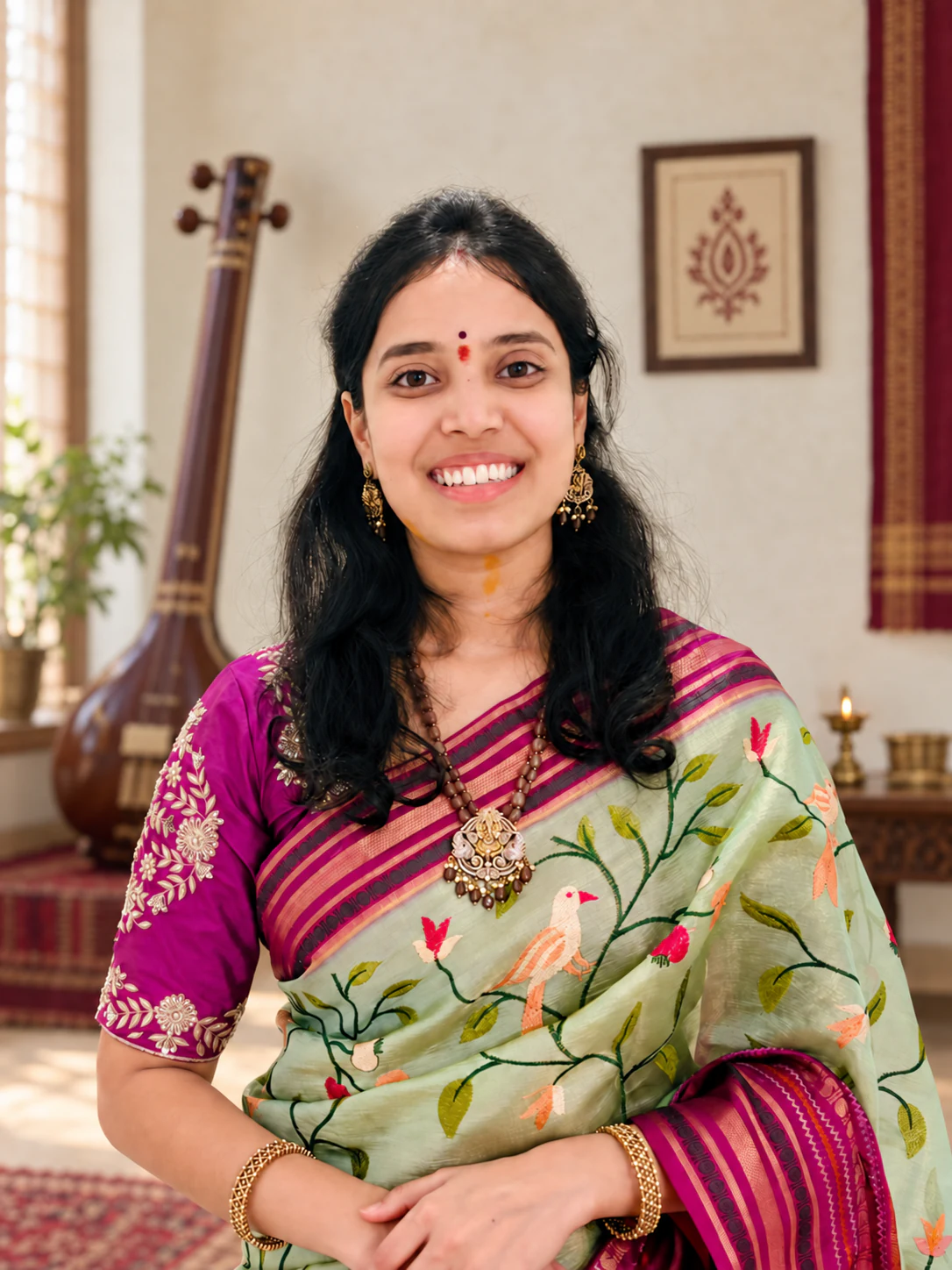
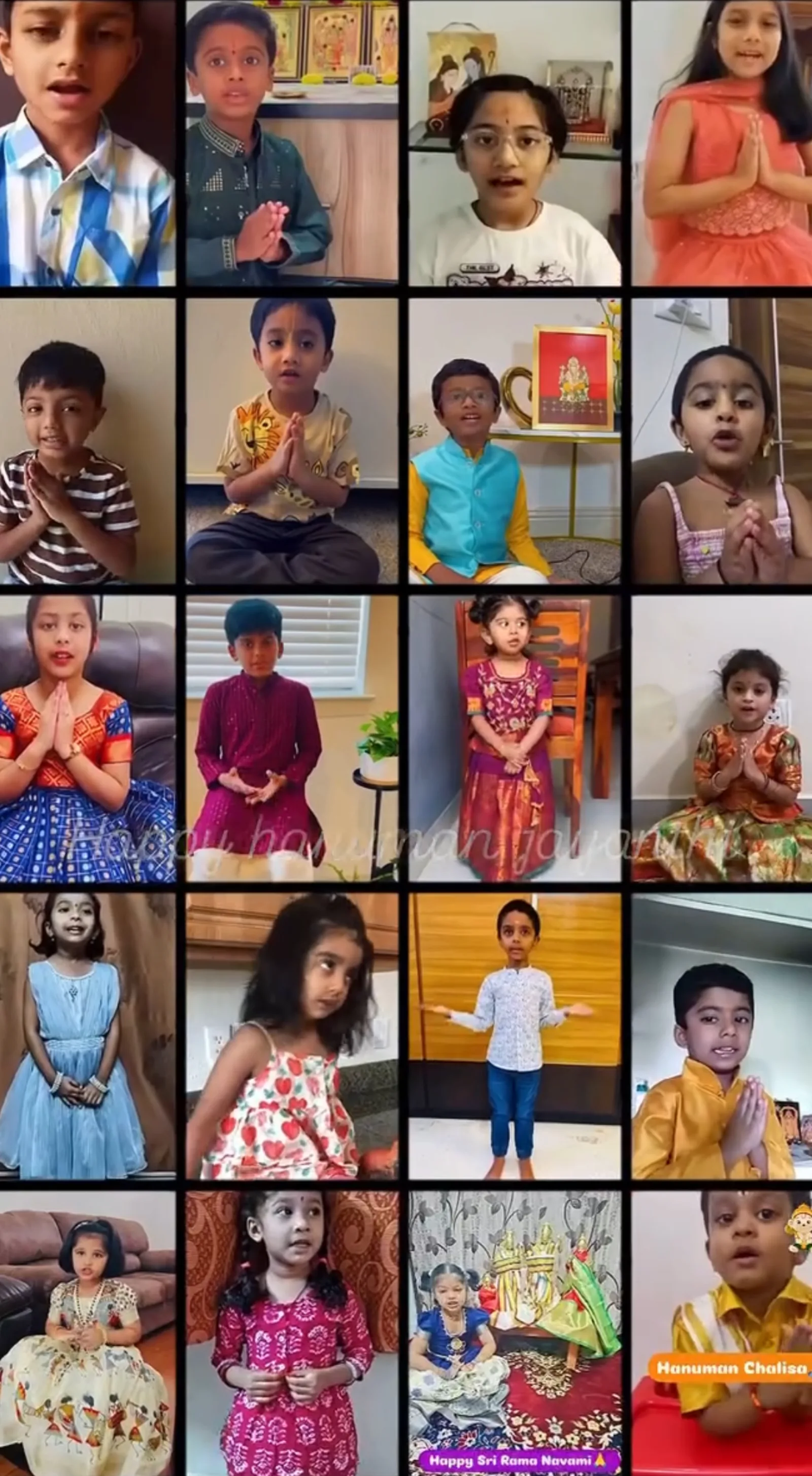
Wednesday Venkateshwara Suprabhatham class — live on Zoom, kids aged 4–10. Taught by Lavanya Anthanna.
📚 Join Suprabhatham Class →